
Natural pain relief in perimenopause and menopause: herbs, PEA and nutrients - Part 2 of a two-part series
In Part 1, we explored why pain can change during perimenopause and menopause. Changing oestrogen levels, disrupted sleep and existing health conditions can all contribute.
Complementary medicines may help relieve symptoms and support recovery, but choosing the right option starts with understanding the pain. An inflamed joint, nerve injury and menstrual cramps need different approaches. Most research concerns specific pain conditions rather than menopause itself, so treatment should be personalised.
Which complementary medicines may help joint and inflammatory pain?
Nociceptive pain arises from actual or threatened tissue damage, including injury or joint inflammation.
Turmeric and curcumin have been studied particularly for knee osteoarthritis and to support symptoms management. Turmeric contains around 4% curcuminoids which provide potent anti-inflammatory activity for both acute and chronic pain. Reducing inflammation alleviates pressure on surrounding tissues and nerves so helps with pain relief. Certain tablet/capsule versions of curcumin have specialised delivery methods to improve curcumin absorption. Phospholipids formats (i.e. Meriva® curcumin) compare favourably with curcumin preparations using Black pepper (Piperine) although Black pepper is associated with greater medication interactions.
Boswellia, another option with clinical research, may also help osteoarthritis symptoms including rheumatic aches and pains and relieve inflammation.
Devil’s claw provides anti-inflammatory and analgesic activity and has traditional use for musculoskeletal discomfort and joint pain, including chronic back pain.
White willow bark contains salicin, a historical precursor for Aspirin, which has traditional use and clinical research for selected painful conditions including arthritic pain and chronic low back pain.
Bromelain, a protein-digesting enzyme preparation derived from pineapple, has been investigated for pain and swelling, including after dental surgery. When taken with a meal containing protein, bromelain helps to breakdown the large protein molecule into its many amino acids the body uses for repair and maintenance. When taken in between a meal, bromelain can help reduce pain, swelling, bruising and inflammation associated with soft tissue trauma and injury.
Can PEA and vitamin B12 help nerve pain?
Neuropathic pain results from disease or injury affecting the sensory nervous system and may feel like burning, shooting or electric shock sensations, sometimes with tingling or numbness.
PEA (palmitoylethanolamide, also called palmidrol) is a fatty acid compound rather than a herb that influences pathways involved in inflammation and pain regulation while providing neuroprotective properties. It can be used for both acute and chronic pain in different conditions. A review of controlled trials found promising benefits across several chronic pain conditions, including neuropathic pain.
Vitamin B12 is essential for normal nerve function and for the synthesis of the myelin sheath, the protective sheath that covers many nerve fibres. Identifying and correcting deficiency is particularly important when tingling, numbness or nerve pain develops such as neuropathies. Research in diabetic neuropathy provides symptom benefits.
St John’s wort has traditional use for neuralgic discomfort such as sciatica, shingles and herpes. Its modern clinical evidence is stronger for depression than pain, and it has significant medicine interactions, making careful assessment essential.
What may help muscle cramps, tension and migraine?
Magnesium supports normal muscle and nerve function. Correcting inadequate intake or deficiency may be relevant, and oral magnesium (citrate) has evidence for migraine prevention and magnesium also helps with muscle cramps and spasms.
For cramping pain, Cramp bark has traditional use as an antispasmodic, particularly for menstrual discomfort and cramping in both skeletal and smooth muscles. This historical use provides a rationale for individualised prescribing.
Corydalis has a long history in traditional Chinese medicine for almost any type of pain, but particularly for visceral pain. Research on its alkaloids provides plausible mechanisms, but much of the evidence comes from laboratory and animal studies rather than robust human trials.
Where do traditional herbs fit in persistent pain?
Nociplastic pain involves altered pain processing and can coexist with tissue or nerve pain. Management usually needs several approaches, including movement, sleep support and appropriate medical care.
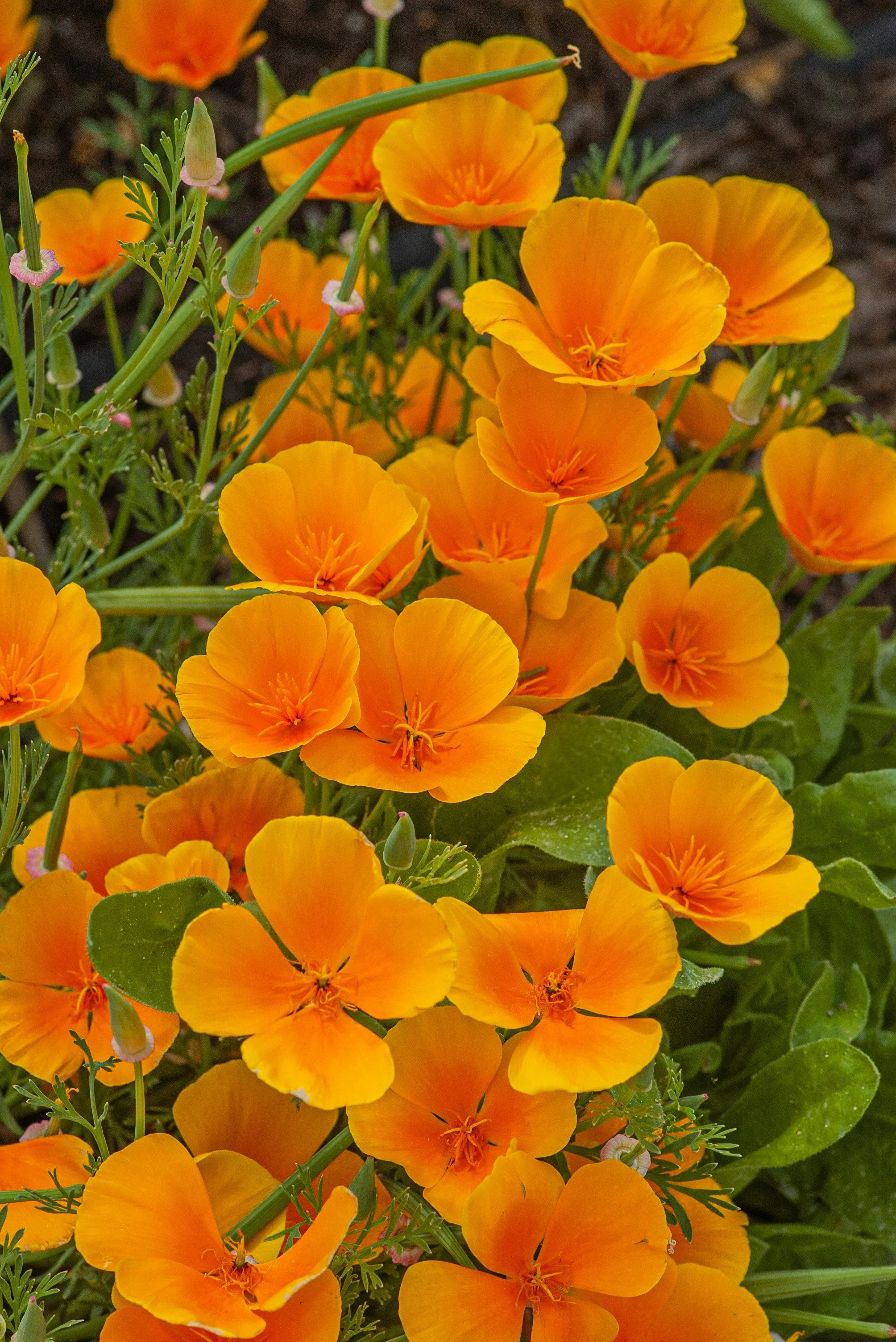
Traditionally, California poppy has been used for pain, mild nervous tension and sleep disturbance by reducing pain and producing calm sleep.
Jamaica dogwood is traditionally used for painful conditions including neuralgia, sciatica, headache and toothache.
These herbs may be considered when anxiety, discomfort and disturbed sleep overlap.

Can complementary medicine resolve pain?
Yes and resolution can depend on the cause. Correcting a nutrient deficiency may address a contributor, while osteoarthritis or persistent pain often requires ongoing management. Product quality, dose and interactions matter.
Book a telehealth consultation with Kay Bellingham to explore your pain, review medicines and supplements, and develop a personalised plan alongside your other healthcare practitioners.
References:
Wai HS, et al. Effect of turmeric products on knee osteoarthritis: a systematic review and network meta-analysis. BMC Complementary Medicine and Therapies. 2025;25:292. doi:10.1186/s12906-025-05045-z.
Efficacy of Extracts of Oleogum Resin of Boswellia in the Treatment of Knee Osteoarthritis: A Systematic Review and Meta-Analysis. Phytotherapy Research. 2024;38(12):5672–5689. PubMed
Harpagophytum procumbens in musculoskeletal disorders: current evidence and comparison with NSAIDs. Frontiers in Pharmacology. 2026. doi:10.3389/fphar.2026.1839470. This recent review includes older clinical trials.
Lin CR, et al. Willow Bark (Salix spp.) Used for Pain Relief in Arthritis. 2023. pmc.ncbi.nlm.nih.gov
Leelakanok N, et al. Efficacy and safety of bromelain: a systematic review and meta-analysis. 2023. doi:10.1177/02601060231173732.
Lang-Illievich K, et al. Palmitoylethanolamide in the treatment of chronic pain: a systematic review and meta-analysis of double-blind randomized controlled trials. Nutrients. 2023;15(6):1350. doi:10.3390/nu15061350.
The Impact of Vitamin B12 Supplementation on Clinical Outcomes in Patients With Diabetic Neuropathy: A Meta-Analysis of Randomized Controlled Trials. 2022. PMC
Bone K, Mills S. Principles and Practice of Phytotherapy: Modern Herbal Medicine. 2nd ed. Elsevier; 2013. Braun L, Cohen M. Herbs and Natural Supplements: An Evidence-Based Guide. 4th ed. Elsevier; 2015. These are foundational clinical reference texts, outside the five-year window; they should be used for historical context rather than presented as recent trial evidence. 9780443069925
Dominguez LJ, et al. Magnesium and migraine. Nutrients. 2025;17(4):725. doi:10.3390/nu17040725.
Health Canada. Licensed natural health product information documenting traditional antispasmodic use of cramp bark for menstrual pain. This records traditional use, rather than proving clinical efficacy. health-products.canada.ca
Feng JH, et al. The composition, pharmacological effects, related mechanisms and drug delivery of alkaloids from Corydalis yanhusuo. Biomedicine & Pharmacotherapy. 2023;167:115511. doi:10.1016/j.biopha.2023.115511.
European Medicines Agency. Assessment report on Eschscholzia californica Cham., herba. 2015. Documents traditional California poppy uses, including references to Mills and Bone. ema.europa.eu