


Articles to
inspire & educate

Insulin resistance explained: signs, causes and why it matters during perimenopause and menopause
Insulin resistance is something I see discussed increasingly in relation to menopause, weight and metabolic health, but what does it actually mean?
Insulin is a hormone produced by the pancreas and one of its major roles is to help move glucose out of the bloodstream into our muscle, liver and fat cells, where it can be used or stored for energy.

Metformin medication review: uses, benefits, how it works and side effects
Metformin is one of the world's most widely prescribed medications and has been used clinically for more than 60 years. Although best known for treating type-2 diabetes, interest in metformin has expanded dramatically as research investigates its potential role in healthy ageing and longevity.

Testosterone in Women: Its Role in Perimenopause, Menopause and Libido
Testosterone is often thought of as a “male hormone”, yet it also plays an important role in women’s health. Produced by the ovaries, adrenal glands and through conversion in peripheral tissues, testosterone contributes to sexual desire, arousal, responsiveness and orgasm. It also plays an important biological role in the brain, muscles and bones, although current evidence does not fully support prescribing testosterone specifically for fatigue, mood, cognition, muscle strength or disease prevention.

What Happens to Oestrogen After Menopause? The Different Types of Oestrogen Explained
Although many women believe oestrogen "disappears" after menopause, the reality is more complex. Oestrogen production changes significantly during the menopause transition, but it doesn't stop completely. Understanding the different types of oestrogen and where they are produced after menopause can help explain why symptoms occur and why lifestyle choices remain important for lifelong health.

Non-Hormonal Prescription Treatments for Menopause: What Are the Options?
Menopausal hormone therapy (MHT) is an effective treatment for hot flushes and night sweats, but it might not be the right choice for every woman. Some women cannot take MHT for medical reasons, while others experience side effects or simply prefer a non-hormonal approach.
There are several non-hormonal prescription medications that you may come across which have been prescribed by a healthcare practitioner that can help manage menopause symptoms, particularly hot flushes, night sweats, sleep disturbance and in some cases, mood changes.

Progesterone vs progestogens explained: benefits, risks and menopause hormone therapy options
The terms progesterone and progestogen are often used interchangeably, but they are not the same thing. All progesterone is a progestogen, but not all progestogens are progesterone.

Lipoprotein(a) and menopause: the hidden heart health risk most women have never heard of
When women think about their heart health, they often focus on cholesterol, blood pressure, weight or blood sugar levels. However, there is another important cardiovascular risk factor that is rarely discussed yet may become increasingly relevant during perimenopause and menopause: Lipoprotein(a), often referred to as Lp(a).

Longevity explained: How to increase your healthspan, lifespan and quality of life
Longevity is often defined as living a long life, but modern health science has expanded this definition significantly. Today, longevity is no longer just about adding years to life, it’s about adding quality of life to years. Researchers increasingly focus on healthy longevity, which refers to maintaining physical, cognitive, emotional, and social wellbeing throughout the lifespan.

Why am I so tired? The top causes of fatigue during perimenopause & menopause
If you’re constantly exhausted despite getting enough sleep, you’re not alone. Fatigue is one of the most common symptoms experienced during perimenopause and menopause, affecting up to half of women during the menopause transition. While many assume it’s simply part of ageing, hormonal changes often play a significant role.

How caffeine affects sleep during perimenopause & menopause: the hidden role of adenosine
Many women experiencing perimenopause and menopause reach for coffee to increase alertness and combat fatigue, but caffeine may actually be contributing to the very sleep problems that leave them feeling exhausted.

Grip strength during menopause: why it matters for healthy ageing and longevity
Menopause can accelerate the loss of muscle strength and function. Discover why grip strength is an important predictor of healthy ageing, mobility, bone health and independence for women over 40.

The Women’s Health Initiative (WHI): understanding hormone therapy & menopause
In 2002, the Women’s Health Initiative (WHI) dramatically changed how doctors and women thought about hormone replacement therapy (HRT), also known more recently as menopausal hormone therapy (MHT).

Shatavari extract (SRI-81) for perimenopause & menopause
Shatavari (Asparagus racemosus) is a traditional Ayurvedic herb long used to support female reproductive health. Often called the ‘Queen of Herbs’, it has historically been used to help women maintain hormonal balance and vitality during periods of hormonal change such as perimenopause and menopause. Modern research is now investigating standardised extracts such as SRI‑81 to better understand their potential role in supporting women during the menopause transition.

Rhapontic Rhubarb Extract (ERr 731) for menopause symptom relief
ERr 731 is a standardised extract taken from the root of Rheum rhaponticum, also known as rhapontic rhubarb or Siberian rhubarb. It is a non‑hormonal, plant‑based option used to help relieve menopausal symptoms, particularly during perimenopause and early postmenopause. Unlike conventional menopausal hormone therapy, ERr 731 does not supply hormones.

Hormone balance with Chaste tree (Vitex agnus‑castus)
Vitex has been traditionally used for centuries to support female hormonal health and may help ease symptoms such as hot flushes, night sweats, mood changes and sleep disturbances.

Ashwagandha (KSM‑66®) & the Menopause Transition Bridge Method™
Supporting women through the menopause transition involves addressing symptoms while also helping the body adapt to the underlying hormonal changes. One natural medicine gaining attention in clinical research is Ashwagandha (Withania somnifera), particularly a standardised root extract known as KSM‑66®.

Saffron (affron®) natural support for emotional & physical symptoms during perimenopause
Saffron, the vibrant spice derived from the flower Crocus sativus, has long been valued in traditional medicine for its mood‑supporting and health‑promoting properties. In recent years, clinical research has begun to investigate its potential benefits for women experiencing symptoms during the menopause transition. One standardised Saffron extract known as affron® has been studied for its effects on mood, anxiety and menopausal symptoms including hot flushes, night sweats and physical discomfort.

The long view of menopause & why preparation matters
Many women notice that recommendations for prescription medications increase during their 40s and 50s for symptoms such as low mood, anxiety, sleep disturbance, reflux, high cholesterol or rising blood pressure. While medications can play a role managing symptoms and protecting health, they frequently address individual outcomes rather than taking into consideration the broader hormonal transition occurring at the same time.
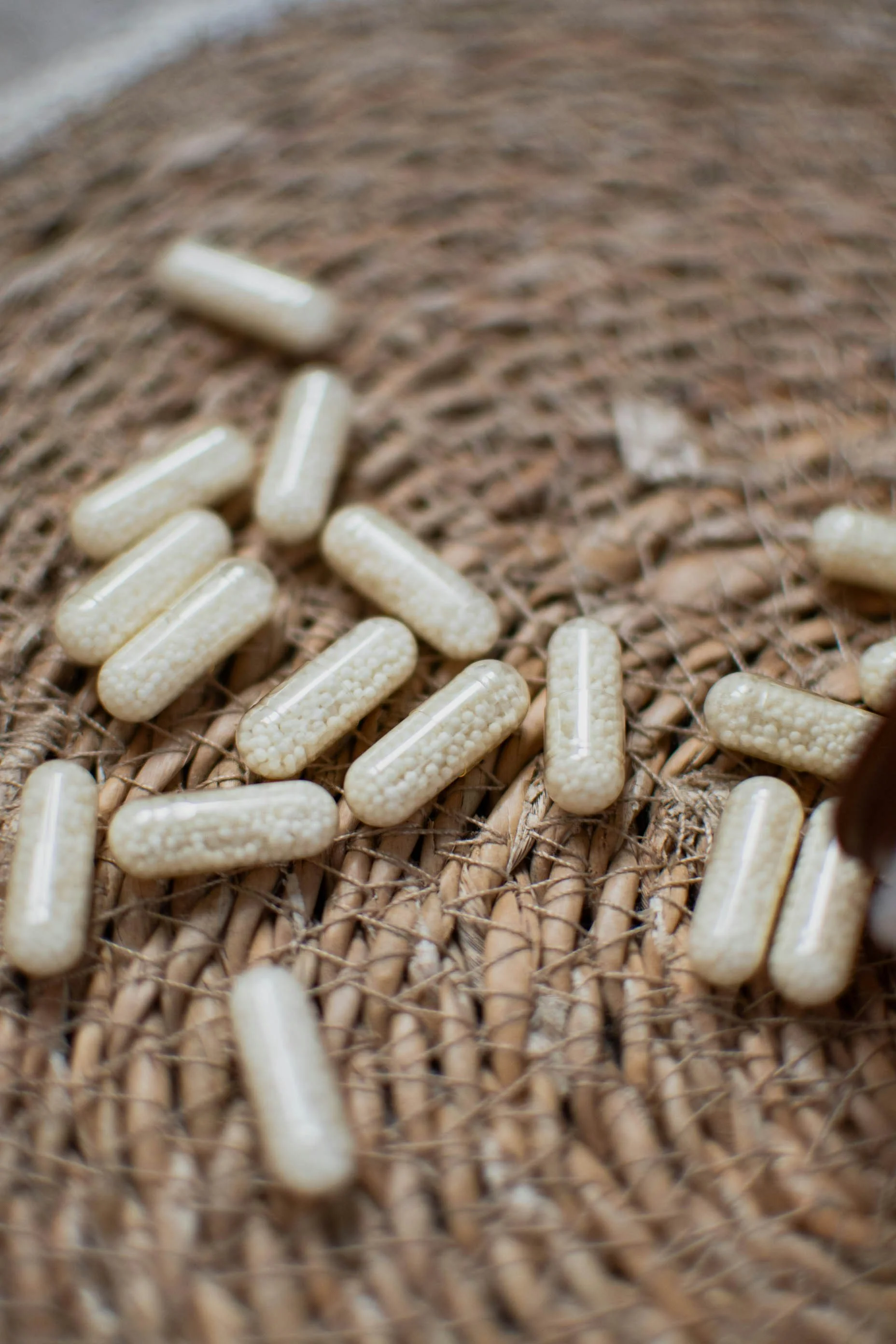
Menopause Hormone Treatment (MHT) Options in Australia
Menopausal Hormone Therapy (MHT), also known as hormone replacement therapy (HRT), can help reduce menopausal symptoms by replacing oestrogen (oestradiol) and sometimes progesterone which naturally decline during the menopause transition. There are two main types of MHT: body-identical (natural) and non-body-identical (synthetic).

Insight into surgical menopause
Surgical menopause occurs when both ovaries are removed before the natural age of menopause (around 51 years). This surgery is called a bilateral oophorectomy and may be performed to treat conditions such as endometriosis or persistent pelvic pain, to manage certain gynaecological cancers or to reduce cancer risk in women who carry genetic mutations like the BRCA gene or Lynch Syndrome.